
Blog
Back Pain After an Accident: When to See a Doctor
Back pain after a fall or injury is on the National Institutes of Health's list of reasons to see a doctor. So is back pain with trouble urinating, leg weakness or numbness, or fever. Here is the full list.
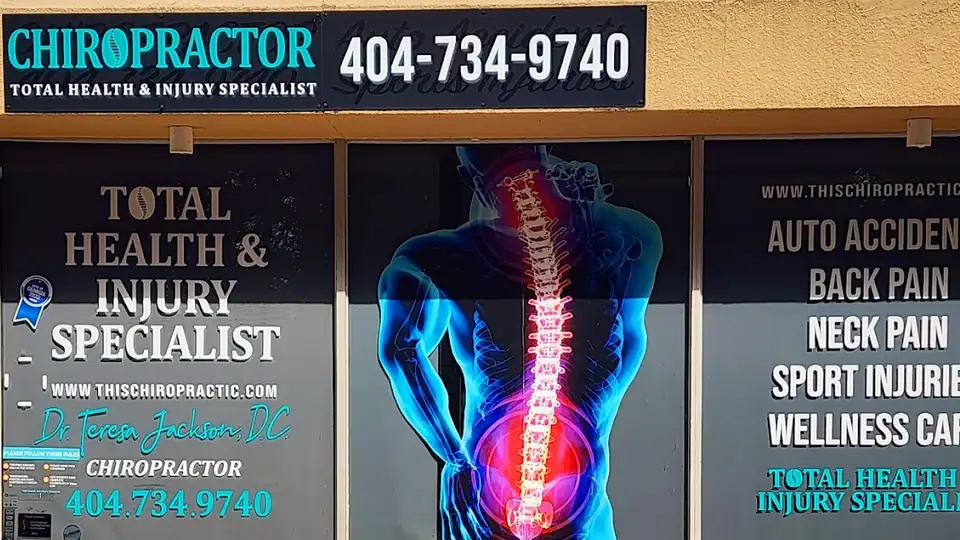
Quick answer: See a doctor for back pain after a fall or injury. That is on the list from the National Institute of Arthritis and Musculoskeletal and Skin Diseases, part of the National Institutes of Health, and so is back pain along with trouble urinating, leg weakness or numbness, or fever. If you were in a wreck in Decatur and your back hurts, get it looked at instead of waiting to see if it fades. Severe pain or significant trauma needs urgent medical evaluation.
When does the NIH say to see a doctor?
NIAMS says you should see a doctor if your pain does not improve after a few weeks, or if any of these happen with your back pain:
- Numbness and tingling
- Severe back pain that does not improve with medication
- Back pain after a fall or injury
- Back pain along with trouble urinating
- Back pain along with weakness, pain or numbness in your legs
- Back pain along with fever
- Back pain along with weight loss you did not intend
Notice the third one. If a car accident injured your back, you are already on that list, and you don’t have to wait a few weeks to see whether it improves.
When is it an emergency?
MedlinePlus’s emergency room page says to call 911 for an injury to the neck or spine, particularly with loss of feeling or inability to move. It says to go to an emergency department or call 911 for severe pain anywhere on the body. This office’s own warning adds progressive weakness, loss of consciousness and new bowel or bladder dysfunction. For more on those signs, read numbness, weakness or trouble walking after a wreck.
What kinds of back pain are there?
Doctors and researchers describe back pain by how long it lasts:
| Type | How it starts | How long it lasts |
|---|---|---|
| Acute | Happens suddenly | Usually a few days to a few weeks |
| Subacute | Can come on suddenly or over time | 4 to 12 weeks |
| Chronic | May come on quickly or slowly | Longer than 12 weeks, and occurs daily |
NIAMS says back pain can come on suddenly from an accident, a fall or lifting something heavy. It can range from a dull, constant ache to a sudden, sharp pain that may shoot down the leg, and from pain in one spot to pain spreading all over the back.
What can cause back pain after an accident?
NIAMS says back pain can happen when mechanical or structural problems develop in the spine, discs, muscles, ligaments or tendons in the back, or compress a nerve. The causes on its list that fit an injury include:
- Sprain: an injury to the ligaments that support the spine
- Strain: an injury to a muscle or tendon
- Herniated or ruptured discs: an event causing a disc to compress and irritate nearby nerves
- Fractured vertebrae
- Myofascial pain: tightness and pain of the muscles supporting the spine
Often there are several contributing factors, NIAMS says, and it is also possible that no specific cause can be identified. Other conditions can cause back pain as well, including degenerative disc disease, arthritis, osteoporosis, and kidney stones or infections. A crash does not rule those out, and your health history matters.
You can’t tell those apart by how the pain feels, which is the case for an exam.
What symptoms might you notice?
Depending on the type, causes and location, NIAMS says you may have:
- Increasing pain with lifting and bending
- Worsening pain when resting, sitting or standing
- Back pain that comes and goes
- Stiffness in the morning, with less pain as you move
- Pain that radiates into the buttocks, leg or hip
- Numbness or weakness in your legs or feet
Auto accidents can contribute to discomfort in the upper, middle or lower back. Some symptoms appear immediately, and others develop hours or days after the accident. If your neck hurts too, see whiplash and neck pain after a car accident.
How is back pain treated?
NIAMS says treatment varies depending on the cause and symptoms. For a broader look at one option, read what research says about spinal manipulation. It covers modest benefits for low-back pain, and the side effects, which are mostly short-lived. It also explains why that evidence is not specific to crash injuries.
What happens at this office?
At Total Health & Injury Specialist, your first visit after an accident starts with a conversation about what happened, your symptoms and your health history. Then comes an exam that assesses spinal mobility, muscle function and other findings, and may include MyoVision range-of-motion screening, motion palpation, reflex testing, and orthopedic, motor and sensory testing.
You hear the findings during the same visit: what Dr. Jackson observed, what it may mean and which options may be appropriate. If treatment is appropriate and no contraindications turn up, that visit includes therapy and an adjustment. If your findings point elsewhere, treatment may be deferred or modified. See the full first-visit steps.
What if it does not improve?
If you do not show improvement within four weeks, the approach includes a referral for an MRI when clinically appropriate. Dr. Jackson reviews the results with you and explains how they may affect her recommendations, and refers you to a medical specialist when necessary. Urgent symptoms or concerning findings may call for imaging or referral sooner. Not every patient needs an MRI before conservative treatment. That depends on symptoms, exam findings and clinical indications.
What should you keep track of?
Write down the date of the accident, where the pain is, whether it travels into a leg, and what makes it better or worse. Note any numbness, weakness, fever or trouble urinating, and tell your doctor right away. If you have questions about coverage, Georgia’s insurance office explains what drivers must carry.
Why see Dr. Jackson for back pain in Decatur?
Auto accidents are a primary focus of this practice, and care looks at the spine as well as the muscles that support it. “I came in after an accident and I was in so much pain,” wrote Jamila Bell in a Google review. Every patient is different, and no review is a promise of the same result. The office is at 5304 Panola Industrial Blvd, Suite E, in Decatur. Call (404) 734-9740 or contact the office.
Sources
This article is general information, not medical or legal advice. It is not a diagnosis or a substitute for an examination. If you have an emergency, call 911.
FAQ
Common Questions
Still have questions? Call (404) 734-9740.
Should I see a doctor for back pain after a car accident?
Yes. The National Institutes of Health lists back pain after a fall or injury among the reasons to see a doctor. A chiropractor can evaluate musculoskeletal complaints, and severe pain or significant trauma needs urgent medical evaluation.
How long does back pain from an accident last?
It varies. Acute back pain happens suddenly and usually lasts a few days to a few weeks. Subacute pain lasts 4 to 12 weeks, and chronic pain lasts longer than 12 weeks and occurs daily.
What back pain symptoms are the most worrying?
See a doctor for back pain along with trouble urinating, weakness, pain or numbness in your legs, fever or weight loss you did not intend. Severe pain that does not improve with medication and numbness and tingling are also on the list.
More articles
-
Headache After a Car Accident: Concussion Signs That Can Show Up Later
A headache after a crash can be a concussion symptom, and MedlinePlus says some symptoms show up a few days or weeks later. Here are the signs, and which ones need care right away.
Read more -
Hurt in a Wreck in Georgia? How Auto Insurance Works
Georgia drivers must carry liability insurance of at least $25,000 per person, $50,000 per incident and $25,000 for property damage. Here is what the state says each kind of auto coverage does.
Read more -
Neck Pain and Whiplash After a Car Accident
Whiplash is a soft tissue injury to the neck, also called a neck sprain or strain. Here is what MedlinePlus says about it, which neck symptoms are an emergency, and how an exam works.
Read more
Get In Touch
Ready to Get Started?
If this sounds like your situation, we can help.